
Lessons from the Nopal: Reflections on the Nopalito Verde Fund Gathering
By: Inarú Yarí Meléndez Vázquez, Senior Communications Manager, HIP
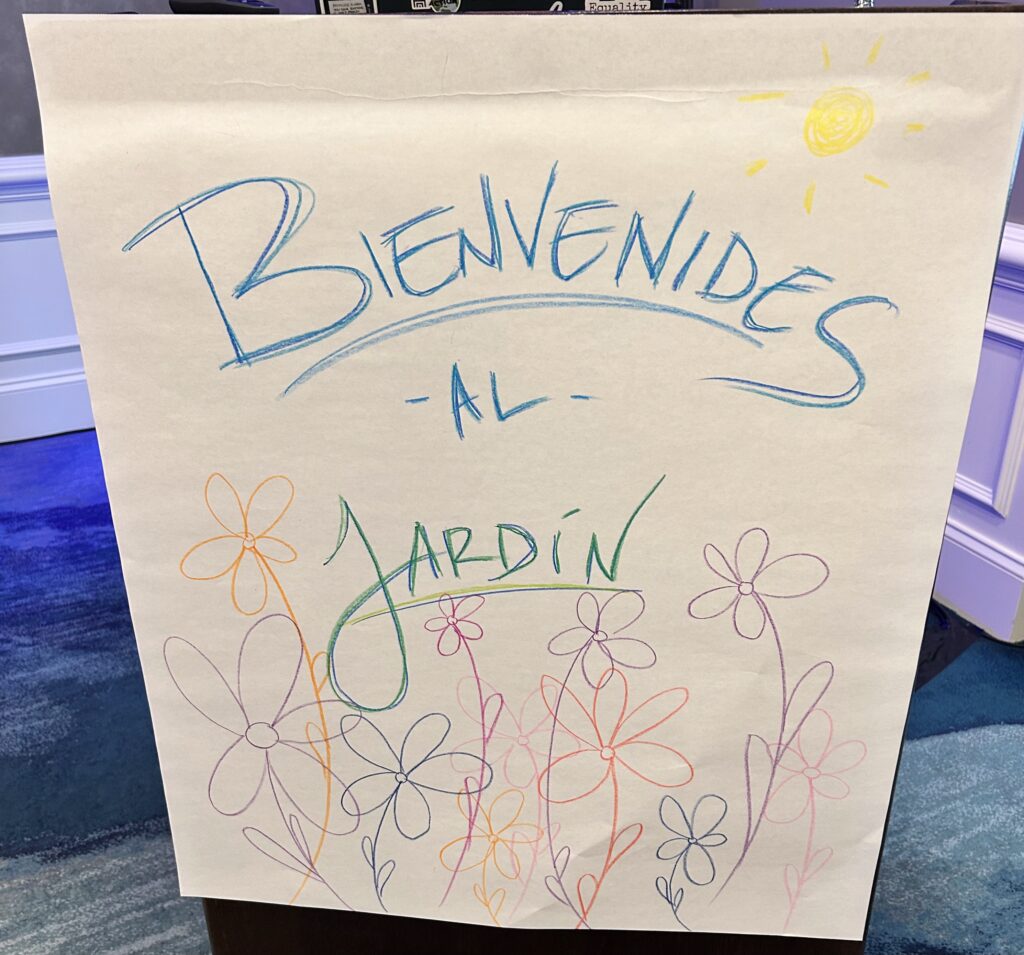
Last month, I had the opportunity to lead a communications training in Chicago for grantees from the Nopalito Verde Fund. Throughout the gathering there was a line that resonated with those of us in the room: abundance and thirst can exist in the same garden.
It holds two things at once. That was, I think, the whole point.
Why we gathered
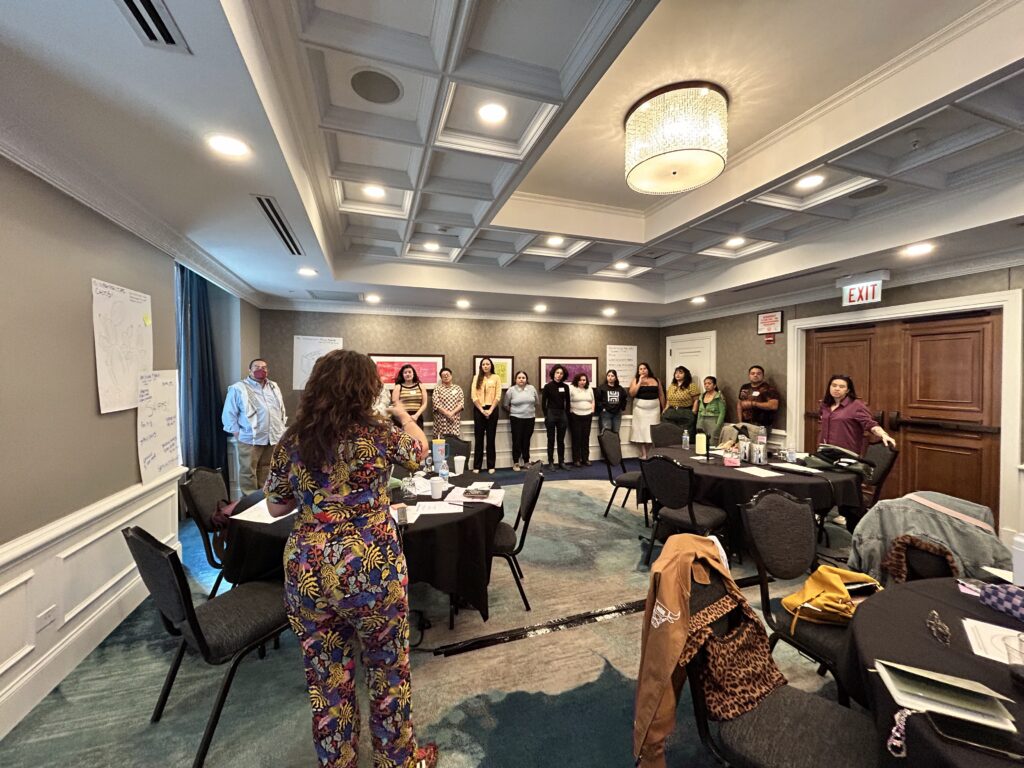
My colega, Hilda Vega, who leads the Nopalito Verde Fund, brought together roughly twenty people from twelve climate justice organizations: fundraisers, communicators, organizers, and a few funders who support their work. The two-day meet was something closer to let's actually be in a room together and figure out what this moment is asking of us.
The moment in question is not subtle. We are more than a year into a federal administration that has systematically targeted nonprofits, challenged tax-exempt status, and used targeted policies and narrative attacks as organizing tools. A lot of people are operating in a sustained state of threat. Organizations are pre-complying with policies that haven't fully materialized. Funders are going quiet. Every day we see more people burning out all while seeing infrastructure that once supported them crumble.
We named that. Out loud, in the room. That level of honesty gave all of us permission to be present.
An Abundant Garden Take Time
Our morning on the first day started slow. People clustered geographically, chatting with those they’d met the night before at our welcome dinner or colleagues from organizations in their region. By day two, there was a small shift. Not because of any one single moment, but because of accumulation: a dynamic that revealed how isolated most people felt in their fundraising work; small groups where a few surfaced coalition trauma that had been held quietly; and a future visioning exercise that made us both giggle and sit with our ideal world.
Everyone in the room was asked to imagine what that future would look like. The answers were provocative, silly, creative, and honest – like the idea of a sustainable world where philanthropy is no longer necessary.
That one stayed with me.
What Grows When Egos Don't
The energy was powerful – but not in the ways that I’ve grown used to when meeting in professional spaces. Peer learning was unambiguously present and egos were relatively non-existent.
With the guidance of movement strategist, Bridget Brehen, a participant from Minnesota reframed a conversation about money shame in about thirty seconds in a way no facilitator had managed in an hour. Hearing each other speak, authentically and with such intentionality really only happens when people feel safe enough to stop performing and start problem-solving.
A room of facilitators and participants that happened to be majority women is also something I don’t want to gloss over. The listening was different. The willingness to stay with difficult conversations instead of rushing to resolution was different.
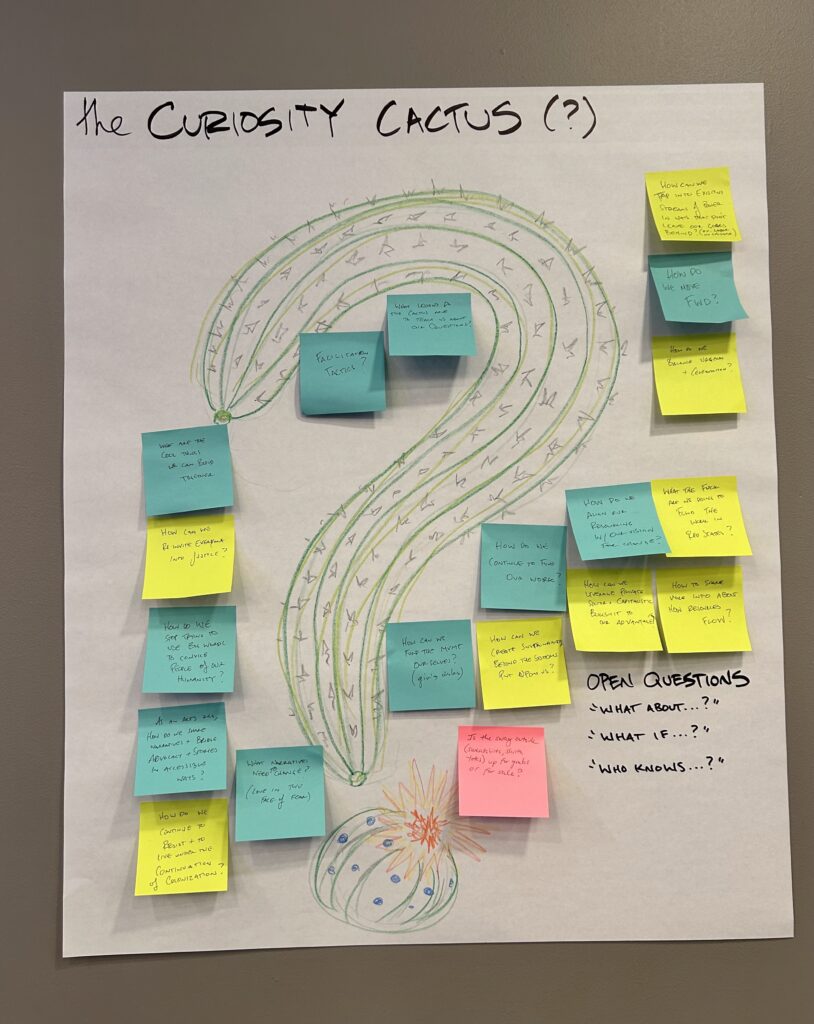
Our running cactus metaphor – of abundance and thirst, seasons, and gardens to constantly tend – gave everyone a frame of awareness. Our facilitator, Genevieve Smith, reminded us that gardens have seasons. You don't plant year-round. Being aware of the climate helps you plan. A simple message, but it held.
What Funders Should Know
The organizations in that room were not waiting to be saved. They are building peer networks, collective fundraising structures, shared infrastructure, and so much more.
Fund what’s already working. That was repeated: invest in what's already working rather than requiring nonprofits to perform crisis to access resources. The connective and emotional labor that makes coalition work function is enormous, largely invisible in grant budgets, and, according to basically everyone in that room, the most important resource in play right now. If it is not funded explicitly, we run the risk of watching it burn out.
There was also an emphasis on the grapevine of relationships that exist in philanthropy as a strong infrastructure. To value one-to-one relationships and ask for funder-to-funder introductions. These things sound informal because we've decided informal means unimportant, which is its own kind of mistake.
And on the future visioning: when we asked people where they'd be in ten years, philanthropy was not in the picture – and it shouldn’t be. That is information to sit with. Organizations are thinking seriously about sustainability, and some of that thinking is pointing away from funder-dependence as a model. The question is whether funders want to be part of building that future, or whether they want to keep funding toward their own relevance.
I’d invite our readers to reflect on the same Audre Lorde quote used to open up our gathering (and I’m sure you’ve heard over and over), "For the master's tools will never dismantle the master's house. They may allow us temporarily to beat him at his own game, but they will never enable us to bring about genuine change." We spent two days trying to figure out what that meant in practice: in funding relationships, in communications, in coalition building.
We didn't resolve it, but I don't think we were supposed to. The goal was to plant seeds in the garden.
And what I do know is that twenty people left Chicago having named some things clearly, having met people they'd been adjacent to for years without really knowing, and having felt — at least for a moment — that they were not doing this alone.